Not Logged In
Education is not to be finished
You have been logged out. Please log in to continue.
Notifications
No notifications yet
We'll notify you when something new arrives
What Is a Makerspace? A Beginner's Guide for Teachers and Schools
 0·Haziq Sakrani·Feb 12, 2026·4 min read
Sometimes the best kind of learning doesn't come from a textbook, but from a table full of curious students building, testing, and imagining together.
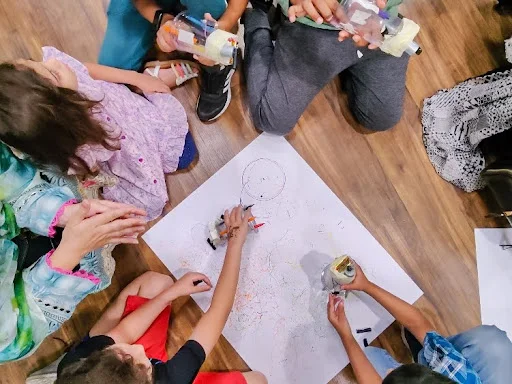
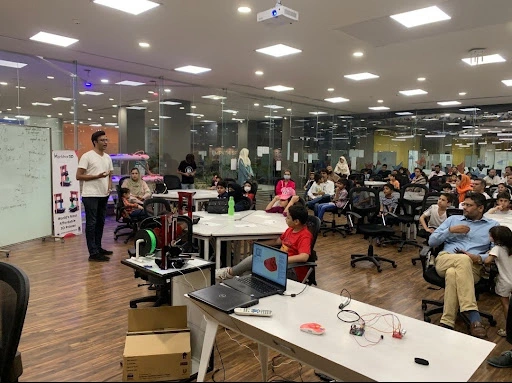
You might see a group trying to make a bridge out of straws, another fixing a small motor, or a student proudly showing something that just came to life. There's noise, excitement, and focus all at once. It's messy, creative, and full of energy, and that's exactly what learning should look like.
That's a makerspace.
What Is a Makerspace in Education?
Learning by Making
A makerspace is not just a classroom or a lab. It's a space where creativity and learning come together, where students explore ideas, build things with their hands, and see how their imagination can turn into something real.
It doesn't have to be filled with expensive machines or gadgets. Sometimes all it takes is cardboard, tape, and curiosity. What matters most is the mindset, giving students the freedom to explore, make mistakes, and find their own way to solutions.
In a makerspace, students learn through doing. They test, they fail, they try again, and in the process, they discover what real problem-solving looks like.
Why Makerspaces Matter in Schools
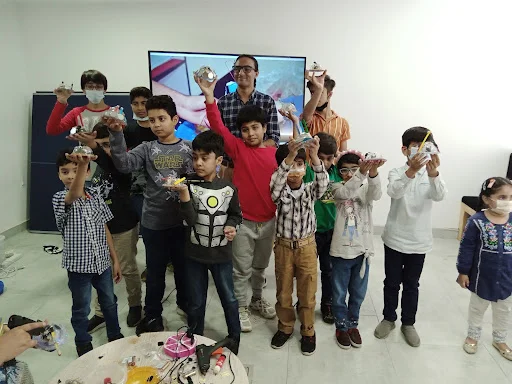
When students start making, something special happens. A quiet child who rarely speaks might light up while building a project. Another might realize that failure isn't the end but just part of figuring things out. These small moments build confidence, teamwork, and resilience.
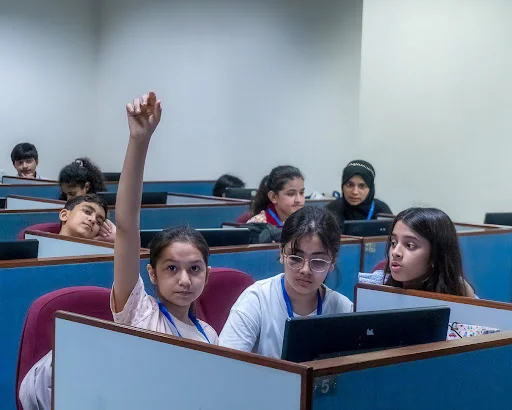
In most classrooms, students are often taught to find the right answer. But in a makerspace, there isn't just one. Students begin to ask questions like "What if I try this?" or "How can I make it better?" They stop fearing mistakes and start learning from them.
This shift in mindset is powerful. It teaches them to think creatively, work collaboratively, and approach challenges with curiosity instead of fear. These are skills that go far beyond school. They prepare students for the real world.
How to Start a Makerspace
Starting Small
The beauty of a makerspace is that it can start anywhere. A small table in the corner, a box of recycled materials, or even a class challenge like "build something that moves" can be the beginning.
What matters is giving students space to explore without the pressure of being perfect. When they're trusted to create, they begin to see their own ideas as valuable.
And slowly, that small space turns into something bigger. It becomes a place where students take ownership of their learning, where they collaborate, create, and grow together.
Makerspace Learning: More Than Just a Room
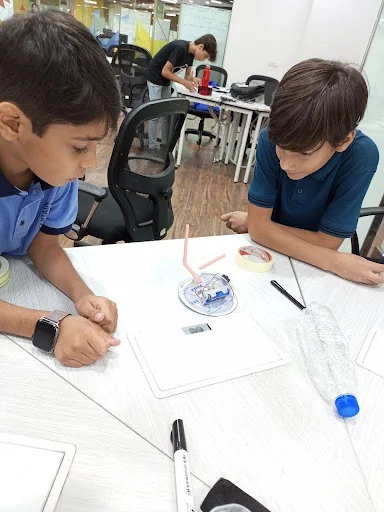
A makerspace is not only about making things. It's about shaping thinkers, inventors, and problem solvers. It's about showing children that learning isn't limited to what's written on the board. It's something they can touch, test, and build themselves.
So maybe the real question isn't what is a makerspace?
It's what could your students create if they had one?
The STEM Educators' Approach to Makerspace Learning
At The STEM Educators, we believe every child deserves the opportunity to explore, imagine, and make. Our mission is to create spaces where curiosity comes alive and learning goes beyond books.
When children start making, they aren't just creating projects. They're building confidence, curiosity, and a lifelong love for learning.
Subscribe to our newsletter to get all new updates!