Not Logged In
Education is not to be finished
You have been logged out. Please log in to continue.
Notifications
No notifications yet
We'll notify you when something new arrives
Computational Thinking for Kids: Why It’s the Foundation of STEM Learning
 0·Arfaa Ahsan·Feb 13, 2026·6 min read
What Is Computational Thinking?
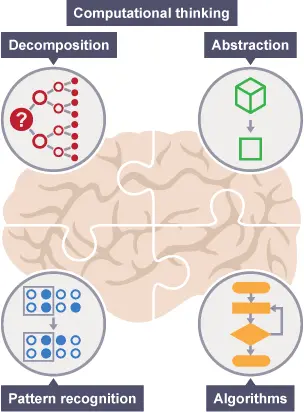
Computational thinking isn’t just for computer scientists. It is a way of solving problems that helps children understand how the world works. At its core, computational thinking is about breaking down complex problems into smaller, manageable pieces and finding logical solutions.
For kids, this doesn’t always mean sitting in front of a screen. It means learning to think like a coder: spotting patterns, testing ideas, and fixing mistakes.
The 4 Pillars of Computational Thinking
To understand how it works, let’s look at the four main pillars:
1. Decomposition
Breaking a big problem into smaller parts. (e.g., Planning a birthday party by listing guests, food, and games separately.)
2. Pattern Recognition
Spotting similarities and trends. (e.g., Noticing that all cars have wheels, regardless of color or size.)
3. Abstraction
Focusing on important details and ignoring irrelevant ones. (e.g., Drawing a map without drawing every single tree.)
4. Algorithms
Creating step-by-step instructions to solve a problem. (e.g., Following a recipe to bake a cake.)
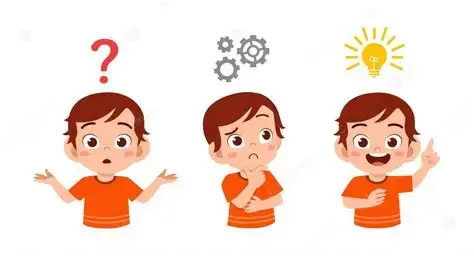
Why Is It Important for Kids?
- Builds Resilience: Kids learn that failure is just part of the process (debugging).
- Encourages Creativity: There is never just one way to solve a problem.
- Prepares for the Future: Whether in robotics, medicine, or art, logical thinking is a universal skill.
How to Encourage Computational Thinking at Home
You don’t need a computer to start!
- Cooking Together: Follow a recipe (Algorithm).
- Sorting Toys: Group by color or size (Pattern Recognition).
- Giving Directions: Guide someone from the kitchen to the bedroom (Decomposition & Algorithms).
- Playing Strategy Games: Chess, checkers, or even card games require planning ahead.
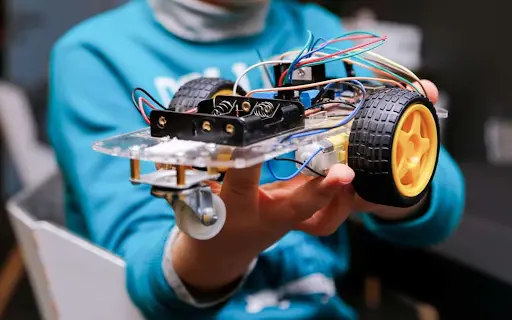
Start Their Journey Today
Computational thinking is the literacy of the 21st century. By nurturing these skills early, we give children the tools to navigate a complex world with confidence. At The STEM Educators, we integrate these concepts into every lesson, making learning fun, hands-on, and impactful.
Subscribe to our newsletter to get all new updates!