Not Logged In
Education is not to be finished
You have been logged out. Please log in to continue.
Notifications
No notifications yet
We'll notify you when something new arrives
Online vs. Physical Learning: A Parent's Guide to Choosing the Right Path for STEM and Coding
If you've been researching coding or STEM classes for your child, you've probably hit the same fork in the road every parent hits: should they learn online, from the comfort of home, or in a physical classroom with other kids around them? There's no universally "better" answer here — the right choice depends entirely on your child's personality, learning habits, and what they're trying to achieve. This guide breaks down both formats honestly, so you can match the setting to the child instead of guessing.
What Online STEM and Coding Learning Actually Looks Like
Online learning for coding and STEM subjects usually means live virtual classes, recorded lessons, or a mix of both, where kids build projects on their own device with an instructor guiding them remotely. Good online programs are project-based rather than lecture-heavy — the child is coding a game in Scratch or building a robot simulation while the teacher watches their screen and gives real-time feedback, not just watching a video passively
Strengths of online learning:
- Flexible scheduling that fits around school, sports, or other commitments
- Access to specialized instructors regardless of where you live
- Comfortable, low-pressure environment for kids who get anxious in groups
- Easy to record sessions and revisit tricky concepts
- Often more affordable since there's no physical space overhead
Cons:
- Requires a decent attention span and some self-motivation
- Less spontaneous peer interaction and teamwork
- Can be derailed by tech issues or a distracting home environment
- Harder to supervise hands-on hardware work (soldering, wiring, robotics kits) without someone physically nearby
What In-Person Learning Looks Like
In-person STEM classes put kids in a room with peers and an instructor, working through the same coding or robotics curriculum but with physical presence built in. There's a shared energy in the room — a kid stuck on a bug can lean over and ask a classmate, and instructors can physically demonstrate wiring a circuit board or troubleshoot a robot's motor on the spot.
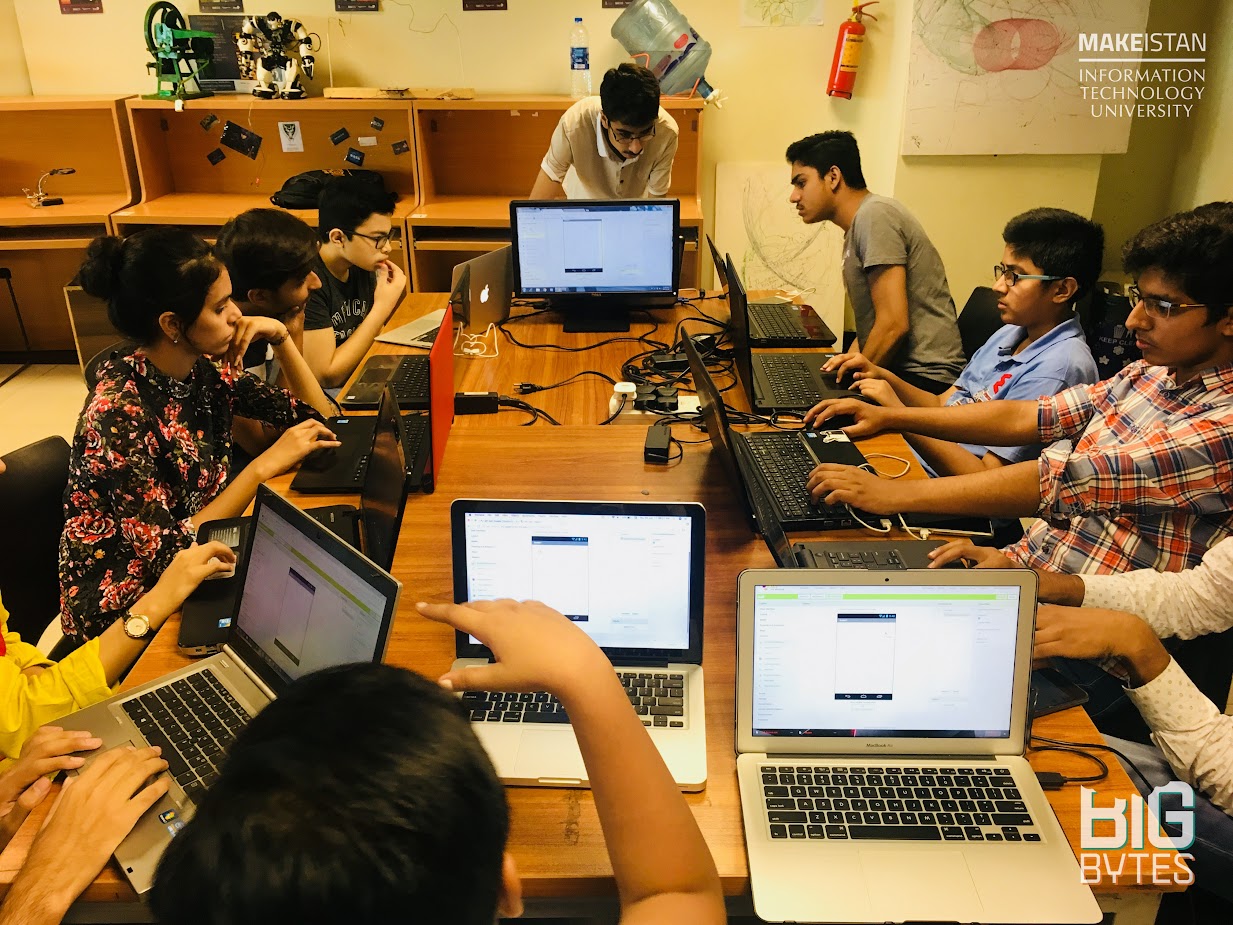
Strengths of in-person learning:
- Direct social interaction and peer learning
- Instructors can catch a distracted or struggling child immediately Ideal for tactile subjects like robotics and electronics where physical components matter
- Built-in structure and routine (a physical commitment is harder to skip than clicking a link)
Where it struggles:
- Fixed schedules that don't flex around your family's routine
- Geographic limits—you're stuck with what's available nearby.
- Group pace may not match every child's speed.
- Usually costs more due to venue and staffing.
So, Which One Fits Your Kid?
This is really the question that matters more than the format itself. Think about your child's actual behavior, not what you wish it was
Online learning tends to suit kids who:
- Are naturally curious and can focus independently for 45–60 minutes
- Get overstimulated or overwhelmed in social envoirment
- Have a packed schedule (school, sports, other activities) and need flexibility
- Are comfortable with screens and can navigate a laptop without much babysitting
- Live in an area without access to good in-person coding programs
In-person learning tends to suit kids who:
- Learn better through social interaction and thrive around peers
- Struggle to stay on task without someone physically present
- Are drawn to hands-on building—robotics, circuits, tangible projects
- Do well with a fixed routine and need external accountability
- Are younger (roughly under 8) and benefit from close physical supervision
There's also a middle path worth mentioning: many families find a hybrid approach works best—online classes for the coding fundamentals (Scratch, Python) paired with in-person camps or workshops for the hands-on robotics and social side. This is actually how well-rounded STEM programs are increasingly structured, blending flexible online coursework with in-person events like camps and community workshops to cover both bases.
Resources for Online STEM Learning
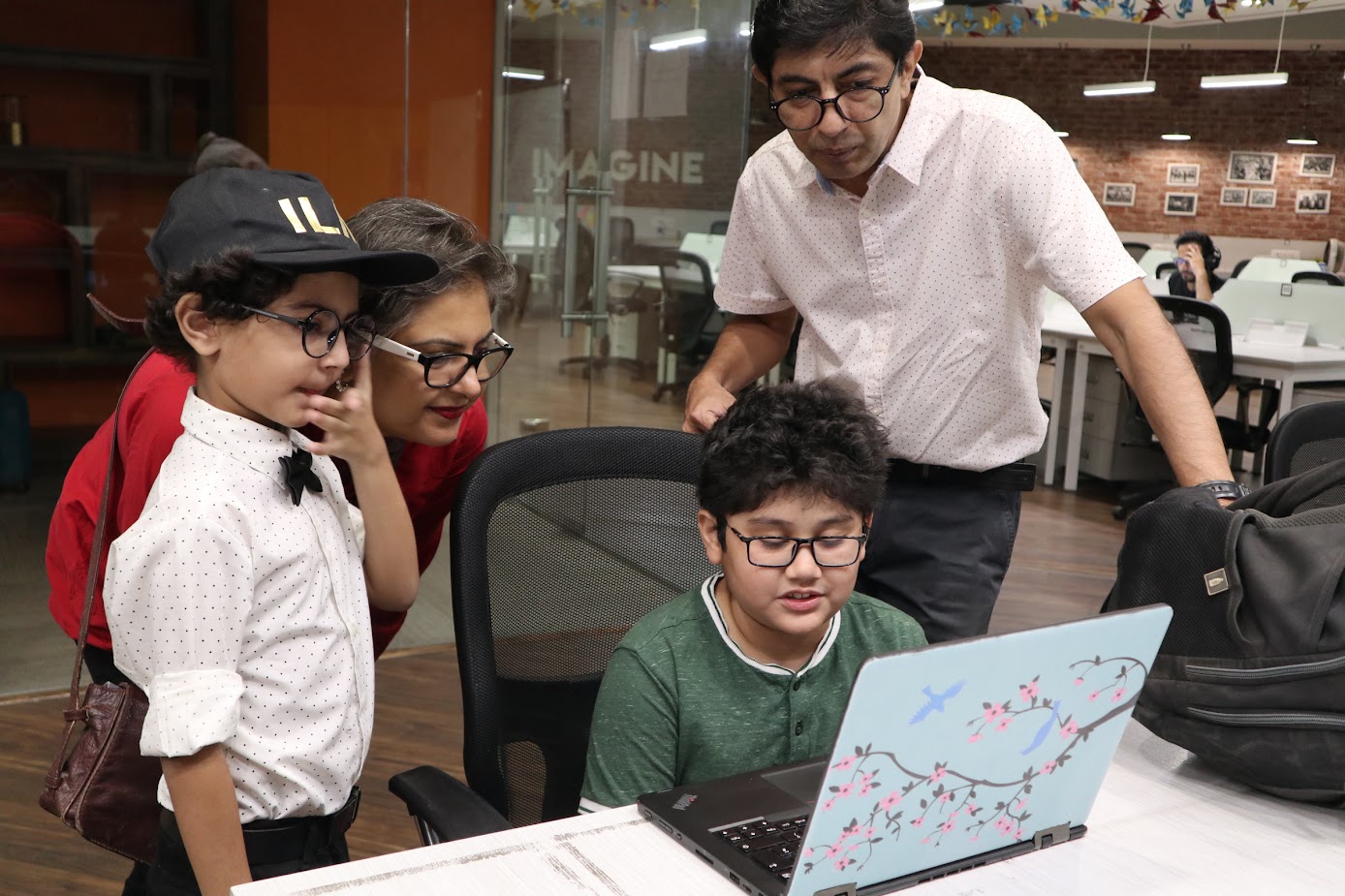
There are several useful resources for online STEM learning, including Scratch and other block-based coding platforms, which are great entry points for children aged 6+ before moving on to text-based programming languages. Structured live online courses, such as those offered by The STEM Educators, provide progressive Scratch and Python courses in small groups with a 6:1 student-teacher ratio, combining personalized attention with the flexibility of online learning. One-on-one tutoring can also be helpful for children who need a more personalized pace, while free trial or explorer sessions offer a low-risk way to see whether a child engages well with online learning before committing to a full course;
Resources for In-Person STEM Learning
If you're trying to figure out whether online or physical learning is the right fit for your child, you don't have to work it out alone. Join our community at The STEM Educators — it's a good place to ask questions, compare notes with other parents, and hear directly from families about what's actually worked for their kids. Over time, a few names keep coming up from parents in our community who've gone the physical, in-person route.
LearnOBots is one of them — an Islamabad-based EdTech company founded in 2014 that teaches kids ages 5 to 17 robotics, coding, and 3D printing through hands-on kits and after-school programs run directly inside partner schools like The City School. They also run an annual multi-day STEAM and robotics summer camp at NUST Islamabad, ending in a project showcase for parents and industry guests — the kind of experience that's hard to replicate through a screen.
If your child's curiosity leans more toward space and physical science than programming, the Lahore Astronomical Society (LAST) is worth a look too. It's Pakistan's leading amateur astronomy group, running free public stargazing sessions, telescope viewing nights, and educational talks in Lahore since the mid-1990s — less coding-focused, but a great complement if physical, hands-on wonder is more your child's speed.
Making the Decision
The honest answer is that most kids don't fall neatly into one category. A shy, easily distracted 7-year-old who lights up around other kids might actually need in-person structure for robotics but do just fine with one-on-one online Python later at age 12. The best approach is to observe how your child engages, start with a low-commitment trial (a free session, a single workshop), and let their actual behavior—not your assumption—decide the format. If you're still unsure, a short discovery session with an instructor who can assess your child's working style directly is usually worth more than any article, including this one.
0 Comments
You must be logged in to share a comment. Click here to Login
No comments yet. Be the first to start the conversation!