Not Logged In
Education is not to be finished
You have been logged out. Please log in to continue.
Notifications
No notifications yet
We'll notify you when something new arrives
AI in Education: Will Artificial Intelligence Fix Our Education System, or Make Its Old Problems Bigger?
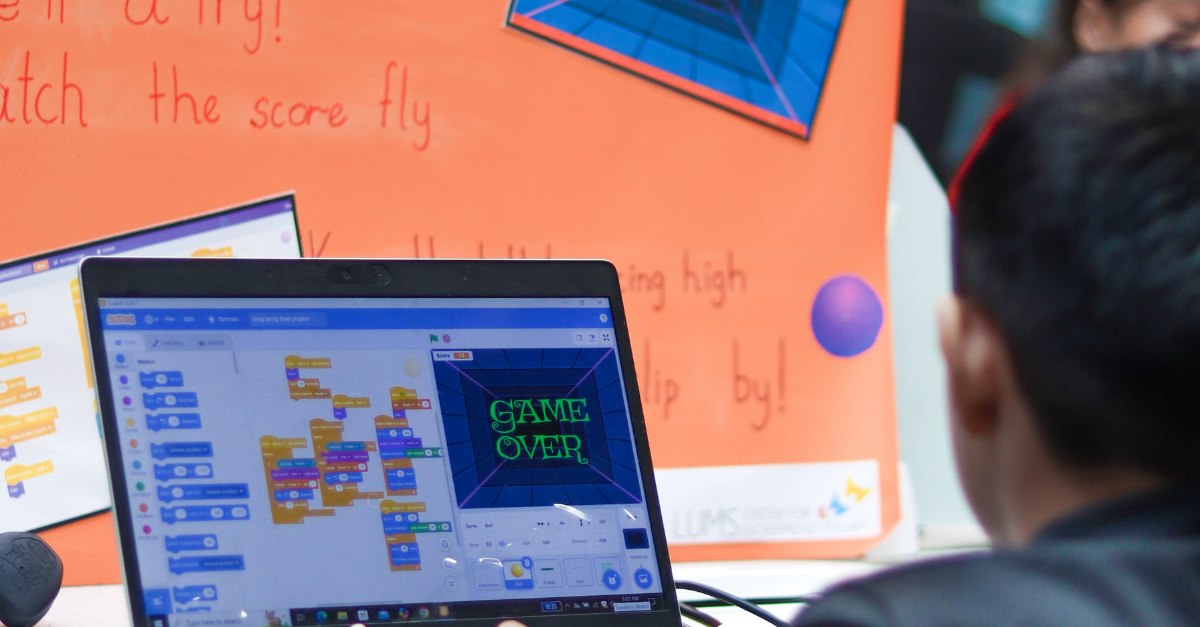
What parents in Pakistan need to understand about AI in education before they make any decision for their children.Somewhere in your neighbourhood tonight, a student is typing a homework question into an AI tool and receiving a beautifully written answer in a matter of seconds. The student copies it, the homework is done, and everyone in the house goes to sleep feeling that the day was productive.This matters particularly in Pakistan, where the conversation around AI in education is moving quickly while access, teacher preparedness, digital literacy, and the quality of learning opportunities remain uneven. The question for parents is therefore not simply whether their children will use AI, but whether they will have the guidance to use it well.
Our Children Are Already Using AI, Whether or Not Our Schools Have Decided What to Think About It
Here is the thing that most parents do not realise: this conversation is not waiting for us to be ready. Children discover these tools such as chatgpt, generative AI through friends, through social media, and through older cousins, and they begin using them long before any school has written a policy or any parent has asked a question.That gap between how fast children adopt a tool and how slowly adults understand it is where most of the risk lives.
Our System Rewards Correct Answers, and That Is Exactly What AI Produces Best
If we are being honest, a large part of our education system, from school exams to the tuition academies that surround it, is designed around producing the correct answer in the expected format. A student who writes a neat, complete, well-structured answer is rewarded, regardless of whether they understood a single word of it.Now think about what AI is exceptionally good at. It produces neat, complete, well-structured answers on demand. Which means that in a system that measures answers rather than understanding, AI does not break the system at all; it simply exposes how little of our current system was measuring understanding in the first place.This is the part that I think every parent should sit with for a moment. The danger is not that AI will make our children lazy, because children have always found shortcuts. The danger is that it makes the shortcut so smooth that neither the child, the teacher, nor the parent can easily tell when real learning has stopped happening.
Is AI Helping or Replacing Your Child's Thinking? What UNESCO’s Research Tells Us
I am still working through UNESCO's guidance on AI and education, but the first question that stays with me is where AI is actually being used, because the study separates it into three interfaces: the system, the student, and the teacher. The second question is what the goal is, since the goal decides whether a tool helps or harms. While reading, I came across https://www.autodraw.com/which I would find very effective for certain kinds of design work, but that same tool could take away the learning if a studuent is supposed to be building the skill of drawing. This is why I believe AI tools should never replace a student's learning and should only act as an assistant, and the ethical boundary is one that we as users have to draw by making sure the student is always the one who thinks, chooses, and shapes the final result.The study also describes the Socratic style of tutoring, named after the philosopher Socrates, who taught by asking questions instead of giving answers so that people reached understanding on their own. An AI tutor built this way guides the student step by step with questions until they discover the solution themselves, and that is the difference I would encourage every parent to look for. A tool that asks your child what they think happens next is supporting their thinking, while a tool that simply hands over the finished answer is quietly doing that thinking for them.
The Promise of AI Is Real, but It Does Not Reach Every Child in the Same Way
I do not want to sound like someone who only sees the problems, because the promise of AI in education is genuine. A student who is too shy to ask a teacher the same question three times can ask a patient tool as many times as they need. A student in a place with very few good teachers can get an explanation that they might otherwise never receive.However, we have to be realistic about who actually benefits from this. A student with a personal device, reliable internet, a parent who understands the tool, and a teacher who guides its use will experience AI very differently from a child who has none of those things. If we are not careful, a technology that is described as a great equaliser could quietly widen the gap between the children who are guided and the children who are left alone with it.
Parents Are Being Offered AI as a Shortcut, and This Is Where We Need to Be Most Careful
You have probably already seen the advertisements promising that your child will master AI in a few weeks, or that an AI tutor will replace the need for everything else. Just like the summer course rush, the message is designed to create anxiety, and anxious parents make quick decisions.My honest advice is to ask a simple question of every AI-related product, course, or promise that reaches you: does this help my child think more, or does it help my child think less? A tool that explains a concept, asks the child questions, and pushes them to try again is supporting learning. A tool that simply hands over finished work is supporting completion, and those two things are very different.
What Parents Can Do at Home to Guide Their Children’s Use of AI
You do not need technical knowledge to guide your child through this, and you do not need to ban anything either. What you need is curiosity and a few consistent habits.1. Sit with your child while they use an AI tool at least once, and ask them to explain to you in their own words what the tool just told them.2. Encourage your child to treat every AI answer as a draft that must be checked against their textbook, their teacher, or their own reasoning before it is accepted.3. Ask your child's school directly what its approach to AI is, because the question itself pushes schools to think about it, and you deserve to know the answer.4. Protect time for your child to build, draw, write, and solve things without any screen assistance, because those are the skills that no tool can develop on their behalf.
What Our Children Will Need Most Is the Ability to Think, Question, and Create
AI will keep changing, and every tool that exists today will probably look very different in a few years. What will not change is that a student who can think clearly, ask good questions, and create something of their own will be able to use any tool wisely, while a student who has only learned to collect answers will always be dependent on whoever provides them.So the real question for us as parents is not whether our children should use AI. It is whether we are raising children who can use it without losing the very abilities that education is meant to build.If you would like to be part of conversations like this, where we discuss educational practices openly and regularly, you are welcome to join our community here: Join our whatsapp group
0 Comments
You must be logged in to share a comment. Click here to Login
No comments yet. Be the first to start the conversation!