Not Logged In
Education is not to be finished
You have been logged out. Please log in to continue.
Notifications
No notifications yet
We'll notify you when something new arrives
Bridge the Gap Between School and Real-World Tech Skills with STEM Courses for Kids
Learning re-imagined: where theory meets practice
Bridge the gap between traditional learning and tomorrow's demands with our comprehensive STEM courses. From coding to critical thinking, we build the skills that matter. Begin your personalized learning journey with our STEM Explorer Session!
 Book a free session

Our Partners


We help your kids unlock their
 How?
How?

Book Your free Session
Schedule a time that works for you.
It's a risk-free introduction to our
interactive, hands-on environment
Hands-On Discovery
Your child gets to explore different coding tools, tinker with new resources, and discover what truly sparks their interest

Get the Roadmap.
We assess their strengths and recommend the perfect path to build problem solving skills, not just collect certificates.
Our Courses

Don't just take a course
Join a community!
In our community, all educational related conversations are welcome. Learn from other parents, teachers, educators, and get a handful of insightful conversations around STEM Education.
Be the first to know about exciting new developments and enjoy the perks of being a community member, such as special discounts, exclusive content, and a sense of belonging.

Parents
for STEM!
Our Star Students


I learned how to make graphical interfaces and new coding techniques.
Ibraheem Bin Laeeq - 14 years
I think Scratch is an amazing way to bring my ideas to life.
Muhammad Ibrahim Ali - 7 years
I learned new things every day and indeed enjoyed every minute of it.
Muhammad Essa Safdar - 15 years
Thank you, stem educators, for an enriching Python programming journey.
Suleman Umar - 14 years
I enjoyed creating my own games.
Manal Nadeem - 17 years
I am really excited that I can now create games and animations in Scratch
Hasan Ahmed - 10 years
I learned C# and enjoyed making my own games.
Saffa Nadeem - 15 years
I can now make cool projects and learn new blocks in scratch.
Rustam Majid - 8 years
TSE helped me learn programming which is both new and challenging
Maheen Tariq - 13 years
I believe that the ability to code allows me to make my ideas a reality
Nawfil Abbas - 11 years
I'm excited about what I've learned about robotics and programming
Muhammad Abdullah - 10 years
Kashif Aziz - 10 years

Stem Educators has ignited my passion for Python
Abdur Rafay Tufail - 12 years
I love playing games but coding is my passion
Mustafa Bilal - 9 years
I can make my own fun universe of games and make new things
Ibrahim bin Tariq - 10 years
I started programming for fun and now it has opened so many possibilities
Ilm Mubasher - 7 yearsI learned how to make graphical interfaces and new coding techniques.
Ibraheem Bin Laeeq - 14 yearsI think Scratch is an amazing way to bring my ideas to life.
Muhammad Ibrahim Ali - 7 yearsI learned new things every day and indeed enjoyed every minute of it.
Muhammad Essa Safdar - 15 yearsThank you, stem educators, for an enriching Python programming journey.
Suleman Umar - 14 yearsI enjoyed creating my own games.
Manal Nadeem - 17 yearsI am really excited that I can now create games and animations in Scratch
Hasan Ahmed - 10 yearsI learned C# and enjoyed making my own games.
Saffa Nadeem - 15 yearsI can now make cool projects and learn new blocks in scratch.
Rustam Majid - 8 yearsTSE helped me learn programming which is both new and challenging
Maheen Tariq - 13 yearsI believe that the ability to code allows me to make my ideas a reality
Nawfil Abbas - 11 yearsI'm excited about what I've learned about robotics and programming
Muhammad Abdullah - 10 yearsKashif Aziz - 10 years
Stem Educators has ignited my passion for Python
Abdur Rafay Tufail - 12 yearsI love playing games but coding is my passion
Mustafa Bilal - 9 yearsI can make my own fun universe of games and make new things
Ibrahim bin Tariq - 10 yearsI started programming for fun and now it has opened so many possibilities
Ilm Mubasher - 7 yearsOur Young Innovators in Action
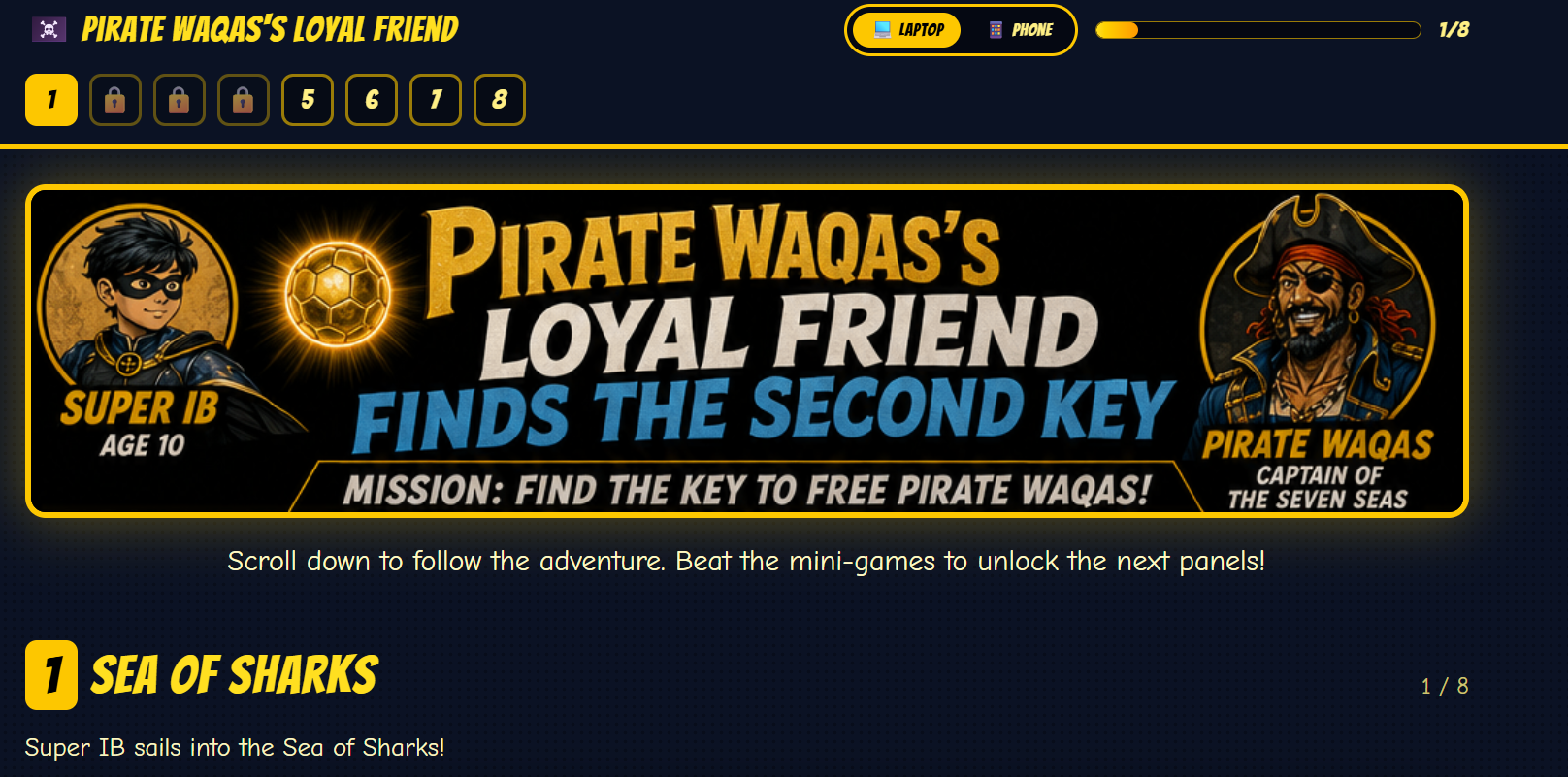
Every project tells a story of creativity, curiosity, and critical thinking. Here are some of the incredible works built by our students



How do we do it?

Project based Learning

Skills first, Tools second

Progressive curriculum
